Bearded Dragon: Health & Nutrition Guide
This page will explore essential foods, beneficial nutritional supplements, and the importance of proper hydration for these fascinating reptiles. Bearded Dragons have unique nutritional needs as well as a different approach to hydration than your typical pet.
There are affiliate links in the article below that potentially earn me a small commission, at no extra cost to you!
Nutrition for Bearded Dragons
Baby Bearded Dragons have specific dietary needs; once they grow up that does change a bit.
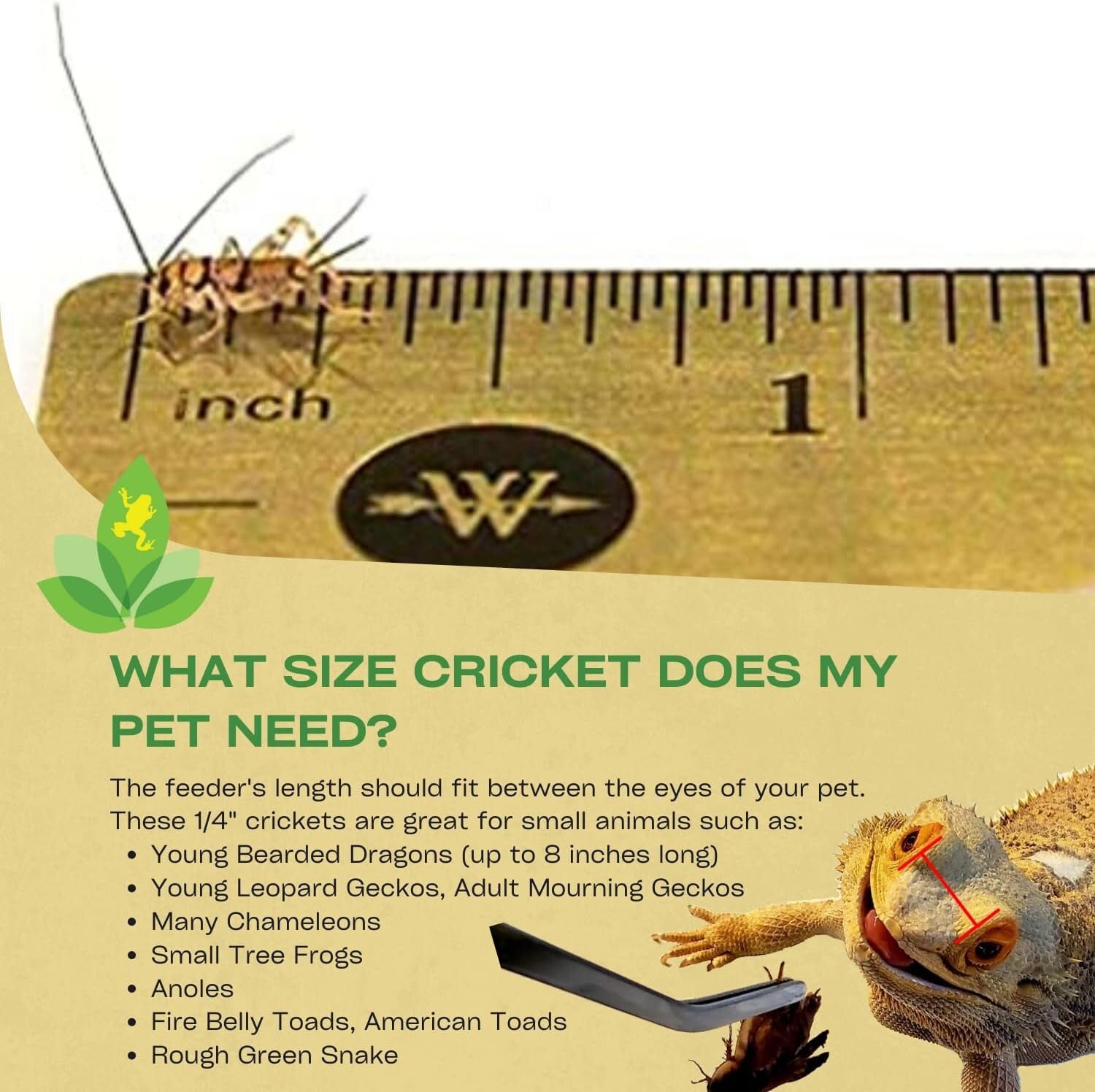
Begin by primarily feeding the baby small crickets (1/4" - 1/2"), which are readily available at local pet stores like PetSmart and Petco. Josh's Frogs also sells them Here on Amazon, and you can choose the size you need and order them in bulk. They recommend that the size of the cricket should fit between the eyes of the lizard. So, as the lizard grows, so should the size of the crickets. Don't obsess over the size; as a general rule crickets less than a year can take XS-S crickets, and lizards more than a year can take M-L crickets. They typically eat 4-8 crickets at a time, twice a day.
Bearded Dragons can also eat Dubia Roaches and Mealworms. Save the Mealworms for when they're larger, but if you can deal with roaches, they are actually more dense with protein and offer a better nutritional option for your younger dragon. They are also available at local pet stores and Josh's Frogs on Amazon.
Additionally, it’s beneficial to introduce a variety of soft vegetables and leafy greens to your baby lizard, making sure you chop them into small, manageable pieces to make them easier to consume. Click Here for a more detailed explanation of what to feed your Bearded Dragon and when.
As they get older, you can increase the size of crickets, roaches, and mealworms.
Do not give your bearded dragon crickets from your backyard or house; these could carry pesticide killer or parasites that could harm your bearded dragon. Be sure to purchase them from a store or an online seller.
Do not give your bearded dragon salted foods, foods cooked in oil, or foods with salt or added sugar on them. Feed them only fresh vegetables and avoid too much fruit. An occasional taste of banana or papaya is a nice treat, but not an everyday snack.
Supplements for Bearded Dragons
Calcium Supplementation
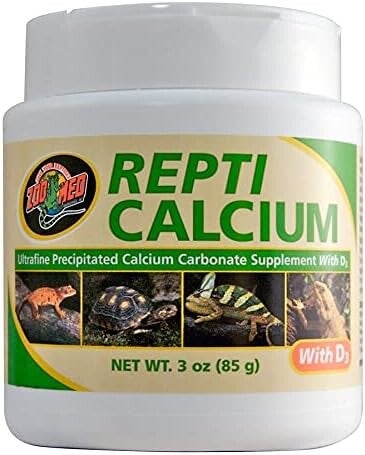
In short, Bearded Dragons need a Calcium Supplement. You can dust it on their leafy greens, feed them gut-loaded crickets, and/or coat insects in calcium before feeding them to the lizard.
ZooMed's Repti Calcium, shown in the picture on the right, can be purchased on Amazon Here.
According to NC State University Vet Hospital:
Calcium supplementation is essential for bearded dragons. Insects have a high phosphorus to calcium ratio. The best way to ensure your dragon is getting enough calcium is to “gut-load” all insects before feeding. Gut-loading is where insects are fed a diet high in calcium 24-72 hours prior to being fed to your dragon. These insect diets can be found at most pet stores. “Dusting” insects with powdered calcium supplements can provide additional calcium, but is not a substitute for appropriate “gut loading”. Insects can be shaken in a bag with calcium powder to lightly coat insects.

Hydration
In the wild, Bearded Dragons hydrate mostly through what they eat, specifically through the vegetables and leafy greens they consume. As they live in the desert, it's common for there not to be a regular water source. They do not need extra water everyday. Many owners will spray their lizard with a spray bottle once a day, which is actually a perfect option for babies. When we did this to ours, the water ran off his head and he drank the drops that rolled into his mouth, just like what would happen in a rain shower. Other owners give their bearded dragon a good soak in a warm bath 1-2 times a week.
I personally like to spray the leafy green vegetables with water to add some extra hydration. I also give my beardy a bath; I enjoy watching the lizard submerge his entire head into the water and gulp it down! It's quite amusing.
Yes, there could be puddles and rivers in the desert as well, so some bearded dragon owners do put a dish of water in the enclosure. There is debate about this practice since they lizard could defecate in the tray and contaminate the water. The easy way to clear this up is to be vigilant about cleaning the water regularly.
However you choose to hydrate your Bearded Dragon, a good practice is to add water conditioner to the water. In our house in South Texas, there is an ungodly amount of chlorine in our water, so the water softener does eliminate most of it. You can also buy this online or at your local pet store. My personal favorite is ZooMed's Repti Safe Water Conditioner found on Amazon; Click Here to purchase it.
Brumation: What is it?
Brumation is a term often used to describe the state of dormancy in cold-blooded animals, particularly reptiles, during the winter months. Similar to hibernation in mammals, brumation allows these creatures to conserve energy when temperatures drop and food becomes scarce. During this period, their metabolic rate slows significantly, making them less active and requiring less food and water.
Signs of Brumation in Bearded Dragons:
- Reduced Activity: May become lethargic and spend most of its time in a hiding spot.
- Decreased Appetite: May eat very little, if at all, during this phase.
- Lowered Body Temperature: They may seek cooler areas, reflecting their need for lower temperatures.
- Increased Sleep: Extended periods of inactivity and sleeping will be noticeable.
How to Handle Brumation
- Monitor Environment: Ensure the temperature and humidity levels in their habitat are suitable for brumation. A cool but not freezing environment is ideal.
- Limit Feeding: Don't worry if your lizard eats less. Provide food occasionally, but don’t force it.
- Avoid Disturbances: Minimize handling to reduce stress. Allow your pet to rest undisturbed during this time.
- Consult a Vet: If you notice any unusual behavior or your pet seems unhealthy, do not hesitate to contact a veterinarian with experience in reptiles.

Create Your Own Website With Webador