Bringing your Bearded Dragon Home: Your DIY guide
This year our family began a new nature adventure by bringing home a Bearded Dragon, creating a habitat for it, and learning how to feed and care for it.
Our reptile journey began in our own South Texas backyard; the hot desert climate here is a natural habitat for lizards. Green Anole's are the most frequent visitor along with Texas Spiny Lizards, both of which can be seen crawling, sunning, and scurrying across the hot wooden fences that line our suburban neighborhood. There are also snakes: Rattlesnakes, Corral snakes, and Checkered Garter snakes, but we will save that topic for another today.
Today--Bearded Dragons.
Bearded Dragons are making a debut as of late in the pet world, and I can definitely see why. They're easy to care for, friendly, and honestly quite hilarious. We bought our dragon from a local exotic pet store, but you can find them at Petco and PetSmart as well, usually between $80-$100. They are the perfect pet for an apartment (no need for a litter box or potty walks) and a great choice for kids. I'd even venture so far as to suggest them as a classroom pet for your favorite Elementary Science class or Kindergarten class; there's no better way to learn about life science and habitat than to see and experience one first hand. You'll likely need to help kids clean and maintain the enclosure, but kids can easily feed and play with the lizard independently. What is more fun than watching a lizard hunt down crickets you throw them and eat them whole like a National Geographic Episode?
There are three essential elements to caring for a bearded dragon, and below we will walk you through each of them.
We will discuss how to establish a healthy and suitable enclosure for your Bearded Dragon. Follow the links below to find more information on Bearded Dragon habitat, heat and light requirements, and finally nutrition and health.
Habitat of Bearded Dragons
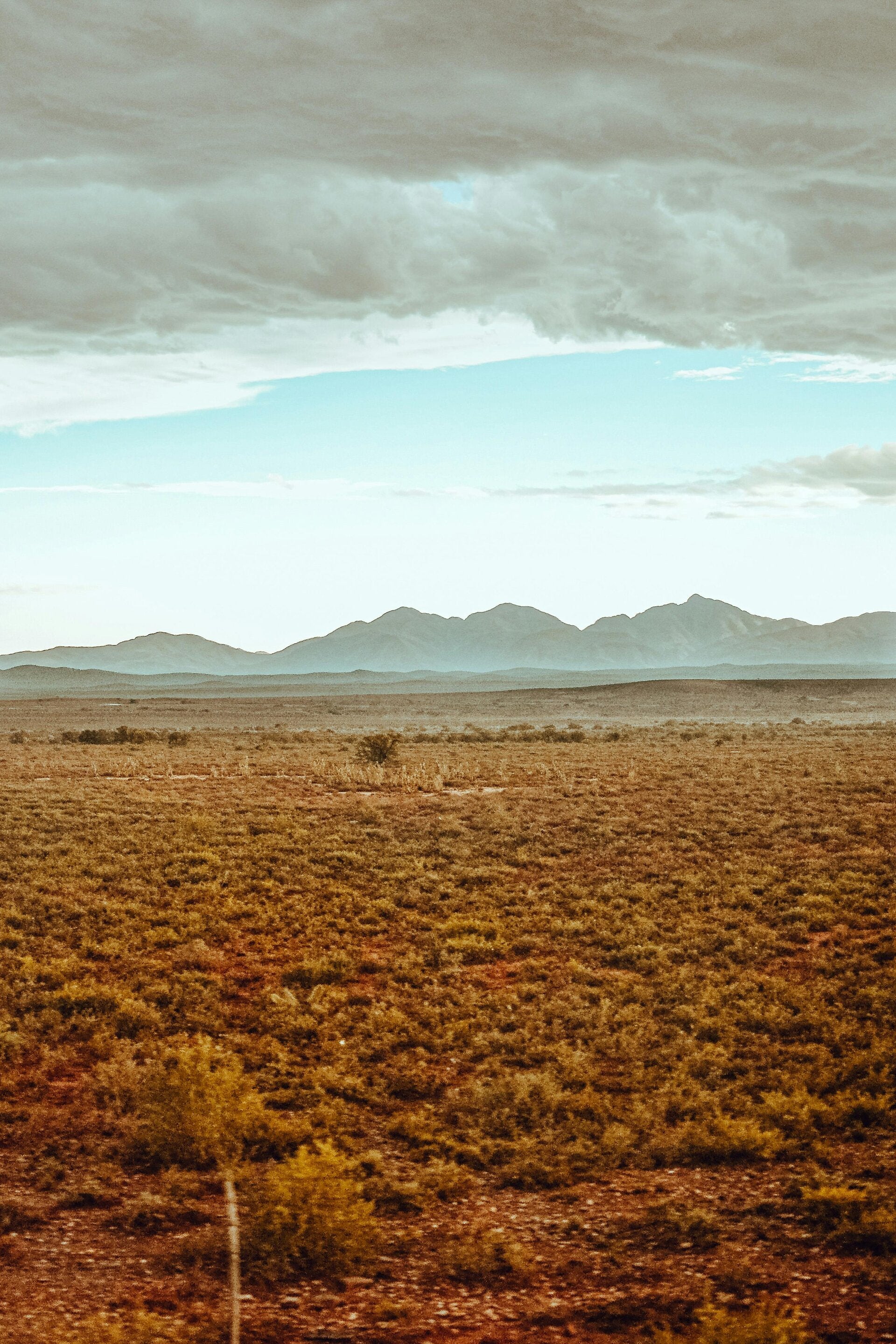
Bearded dragons hail from the Land Down Under, Australia. They thrive in a variety of habitats such as arid desert regions, shrublands, and woodlands. Typically, their habitat consists of rocky outcrops where they can bask in the sun, as well as areas with plenty of vegetation that provide shelter and food sources.
Sand, rocks, desert plants, driftwood, and other forms of vegetation are key elements for the Bearded Dragon's enclosure. Understanding the habitat and needs of bearded dragons is a vital element for their care in captivity, ensuring that we can replicate their natural environment to keep them healthy and thriving. Follow the link below to read specifics on how to set-up a Bearded Dragon Enclosure and follow the links to recommended products and resources.

Heat + Light for Bearded Dragons
These unique reptiles are adapted to living in environments that experience extreme temperature fluctuations, often ranging from the extreme heat during the day to cooler nights. In the wild, bearded dragons are often found basking on rocks or sunlit surfaces during the day, absorbing heat to regulate their body temperature. To replicate these conditions, it is essential to provide a proper basking spot with temperatures reaching 95-110 degrees Fahrenheit. Not only is this preferred by Bearded Dragons, but is essential to their health; heat and light help them synthesize necessary vitamins and nutrients.
We can create this environment using basking and heating lamps and raised driftwood to bask on. Using a light timer, we can establish their environment to allow them the space to regulate their body temperature.
Follow the link below to read specifics on how to set-up a Bearded Dragon Enclosure with proper heating + light. Be sure to follow the links to recommended products and resources!

Bearded Dragon Nutrition + Health
Bearded dragons have specific nutritional needs that are essential for their health and well-being. A balanced diet primarily includes a mix of leafy greens such as kale, collard greens, turnip greens, and mustard greens. They also require protein sources from small insects such as crickets and roaches.
There are a couple of nutritional supplements available for bearded dragons including calcium powder that ensures they receive sufficient levels as well as water softener that needs to be added to the water to receive sufficient hydration.
Follow the link below to read more about Bearded Dragon Nutrition + Health!
Create Your Own Website With Webador